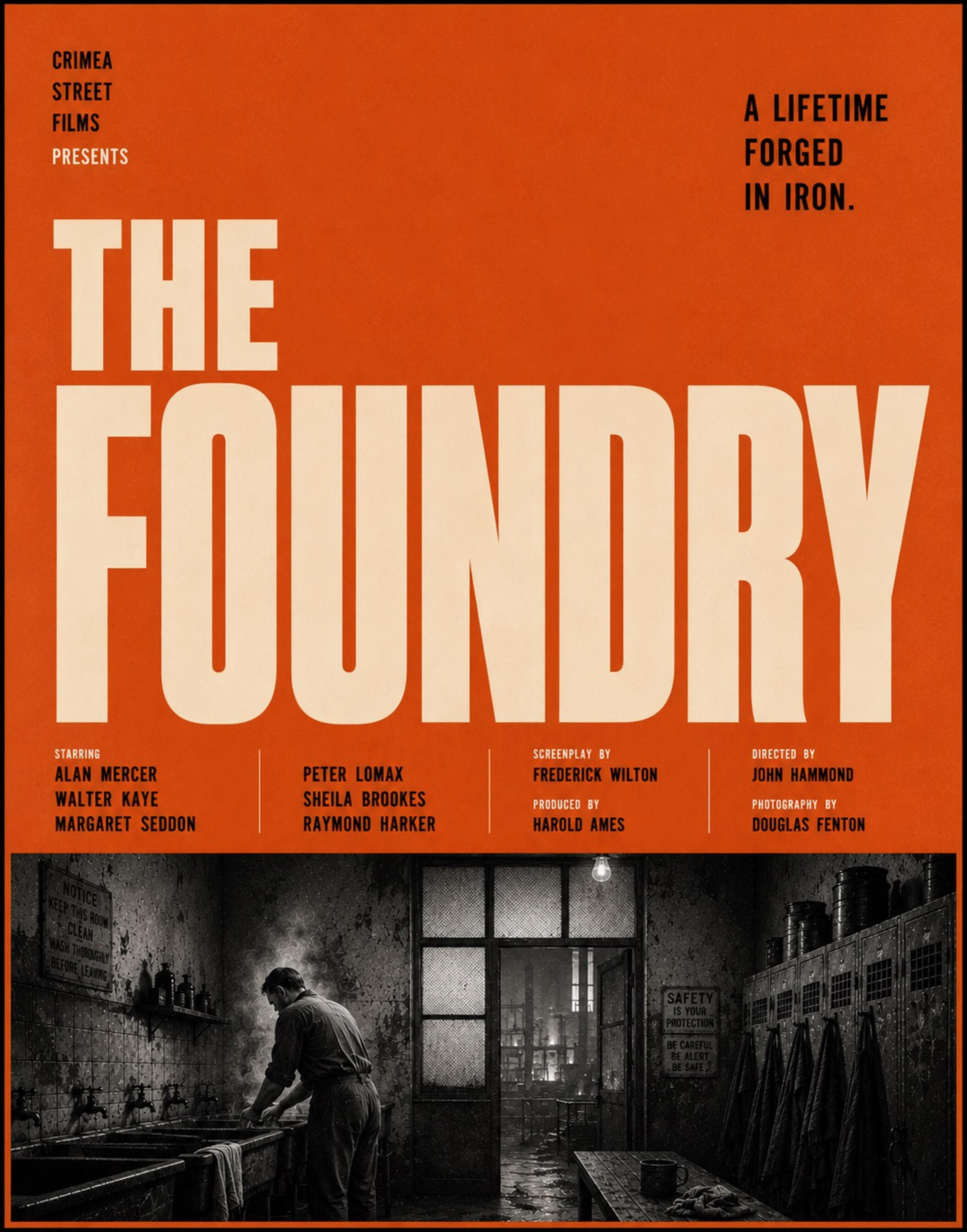
The Foundry (1962)
a lifetime forged in iron
Released in 1962, The Foundry was the second production released by Crimea Street Films that year, although it never achieved the relative critical success of The Bridge.The film follows a group of men as they prepare moulds, tend furnaces and work long shifts in one of the North's traditional ironworks.At its heart is experienced moulder Jack Rawlinson, whose steady approach to both work and life has shaped his outlook and quiet acceptance of the future.In contrast, younger colleague David Henshaw begins to question whether this is the best life he can hope for.Rather than concentrating on accidents or industrial disputes, The Foundry is concerned with the ordinary business of keeping the works running.
New apprentices arrive, old hands pass on their experience and another week's production continues much as the last, despite a growing awareness that change is beginning to reach even the most established workplaces.Restrained, unsentimental and quietly observed, The Foundry*remains one of Crimea Street Films' more earnest portraits of Britain's changing industrial landscape, and a reminder that, for thousands of men, a lifetime could be be measured one shift at a time.
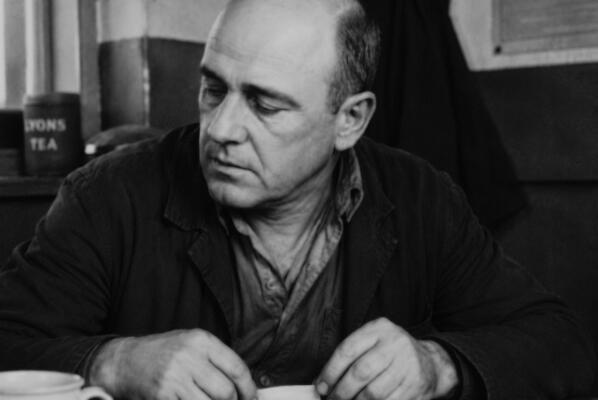
Alan Mercer (1925–1994)Alan Mercer was born in Blackburn in 1925, the eldest son of a baker and a textile machinist. Leaving school at fifteen, he found work in a local engineering works before National Service interrupted his early working life. Returning to Lancashire after demobilisation, Mercer drifted into amateur dramatics when a colleague persuaded him to help a local theatre group that was short of male performers.Although never regarded as a naturally gifted actor, he developed a reputation for reliability and an ability to portray ordinary working people without affectation. Small repertory engagements followed across the North West before very occasional television appearances led to minor film roles.Mercer first worked with Crimea Street Films in 1961 after Alistair Dunmore saw him in a touring production in Preston. Dunmore appreciated his understated style and believed he brought an authenticity to working-class characters that could not easily be taught. It was exactly the quality he valued when casting his characteristically restrained productions.Throughout the early 1960s Mercer became one of the studio's most dependable performers. He seldom played men of authority or ambition, instead portraying labourers and factory workers whose lives were shaped more by routine than dramatic events. His performance as Jack Rawlinson in The Foundry is generally regarded as one of his more convincing, bringing an authenticity shaped by his own years in engineering before acting became a full-time occupation.Away from the studio Mercer lived quietly with his wife, Dotty, and their two daughters in Hag Fold. He remained involved with local amateur theatre throughout his career and was known for returning to help with productions whenever filming commitments allowed.Following the closure of Crimea Street Films, Mercer continued to find occasional television and repertory work but never achieved the regular employment he had enjoyed during the studio's busiest years. Like many character actors of his generation, he gradually found opportunities becoming less frequent as British television changed during the 1970s.Mercer retired from acting in the early 1980s and spent much of his later life restoring old woodworking tools, tending an allotment and following Lancashire cricket. Former colleagues remembered him as a quiet, down-to-earth man who treated acting as a trade rather than a calling.He died at home in 1994 at the age of sixty-nine. Although never widely known beyond northern repertory circles and occasional television appearances, his performances remain closely associated with the quiet realism of Crimea Street Films.
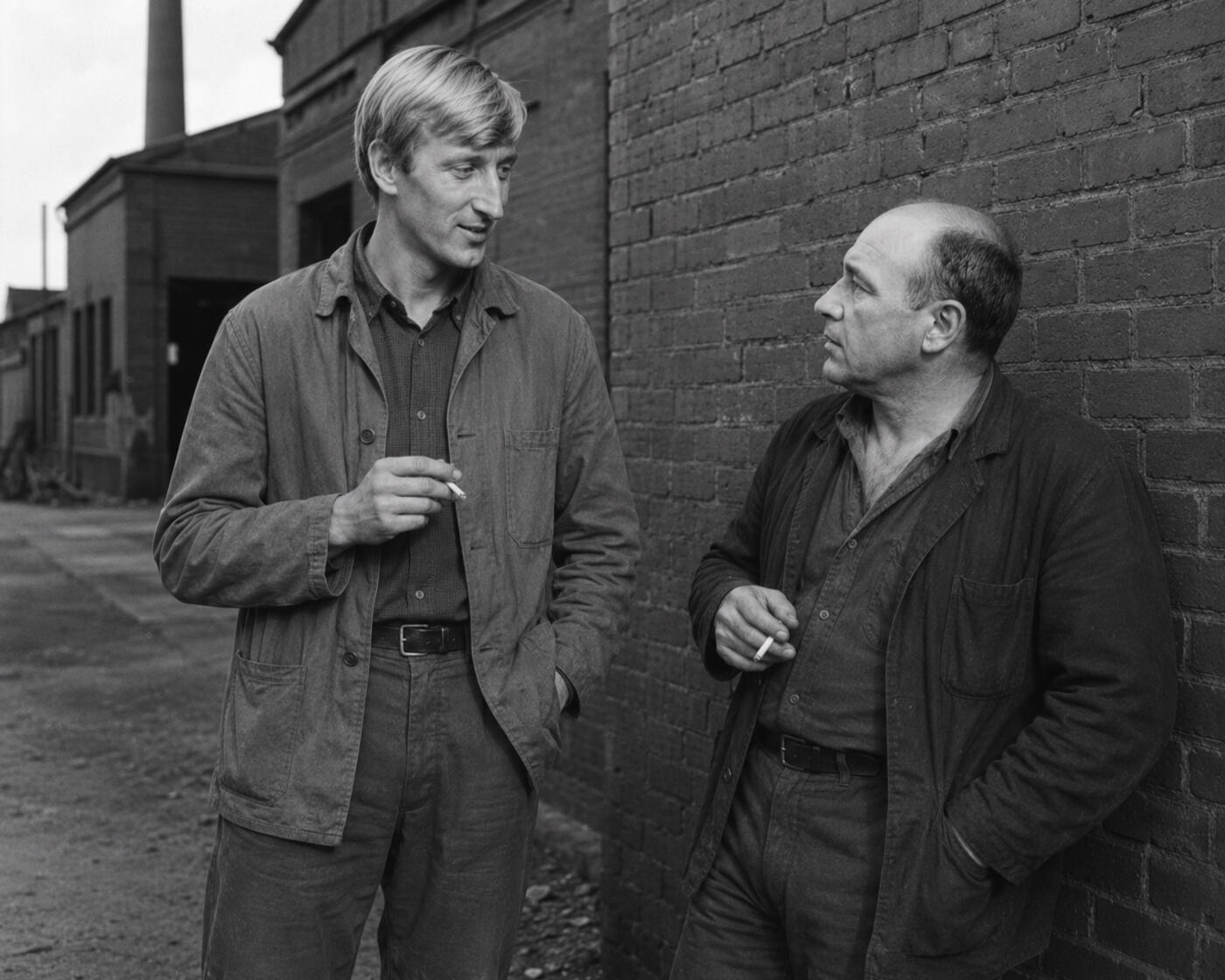
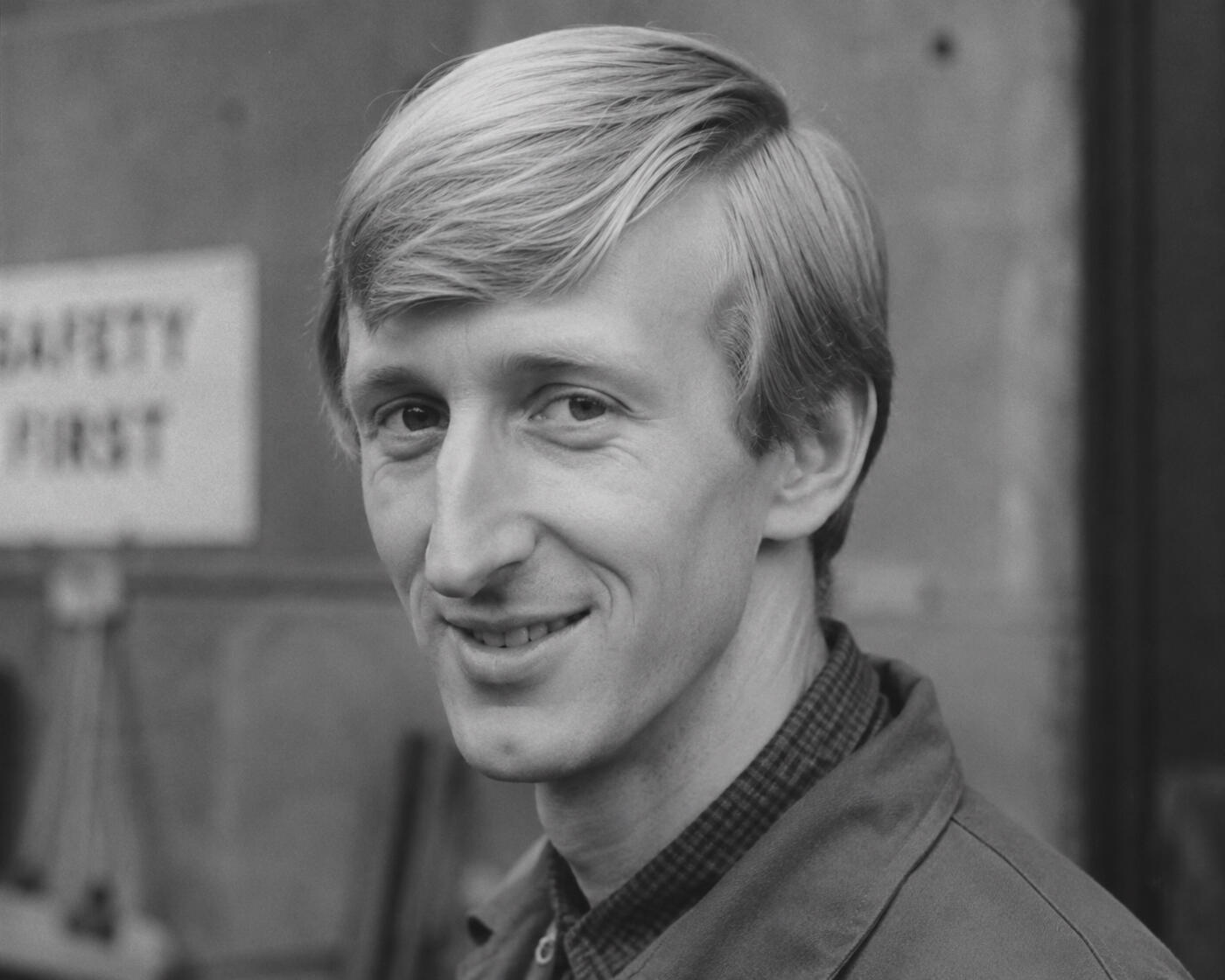
Peter Lomax (1936–2011)Peter Lomax was born in Todmorden in 1936, the youngest of four children. His father worked as a railway signalman while his mother was employed part-time in a local mill.After leaving school at fifteen, Lomax held a succession of clerical jobs before becoming involved with amateur theatre through the local Operatic and Dramatic Society in Huddersfield.Following several seasons in repertory theatre across Lancashire and Yorkshire, he secured occasional television appearances and small film roles.Although he never achieved leading man status, directors valued his natural, understated performances and his ability to portray ordinary young men without exaggeration.
Lomax joined Crimea Street Films in 1962 to play David Henshaw in The Foundry. Cast opposite Alan Mercer, he provided a natural contrast to Mercer's experienced foundryman, portraying a younger worker beginning to question whether the life that had satisfied previous generations was enough for his own. Critics generally regarded Lomax's performance as one of the stronger elements of the production, noting the believable relationship between the two lead actors.Away from filming, Lomax lived quietly with his wife Sheila in Mytholmroyd, where they raised their son and daughter. Friends recalled his lifelong enthusiasm for walking and his habit of carrying a mouth organ wherever work took him.Lomax continued to work steadily in repertory theatre and made occasional appearances on regional television throughout the 1970s. Although acting never provided lasting financial security, he remained involved in local theatre well into retirement, directing amateur productions and encouraging younger performers.Peter Lomax died while out walking in 2011 at the age of seventy-five. Although his career was largely spent in supporting roles, he remained a familiar and dependable presence in regional theatre and is remembered today for his appearances in the Crimea Street Films catalogue.
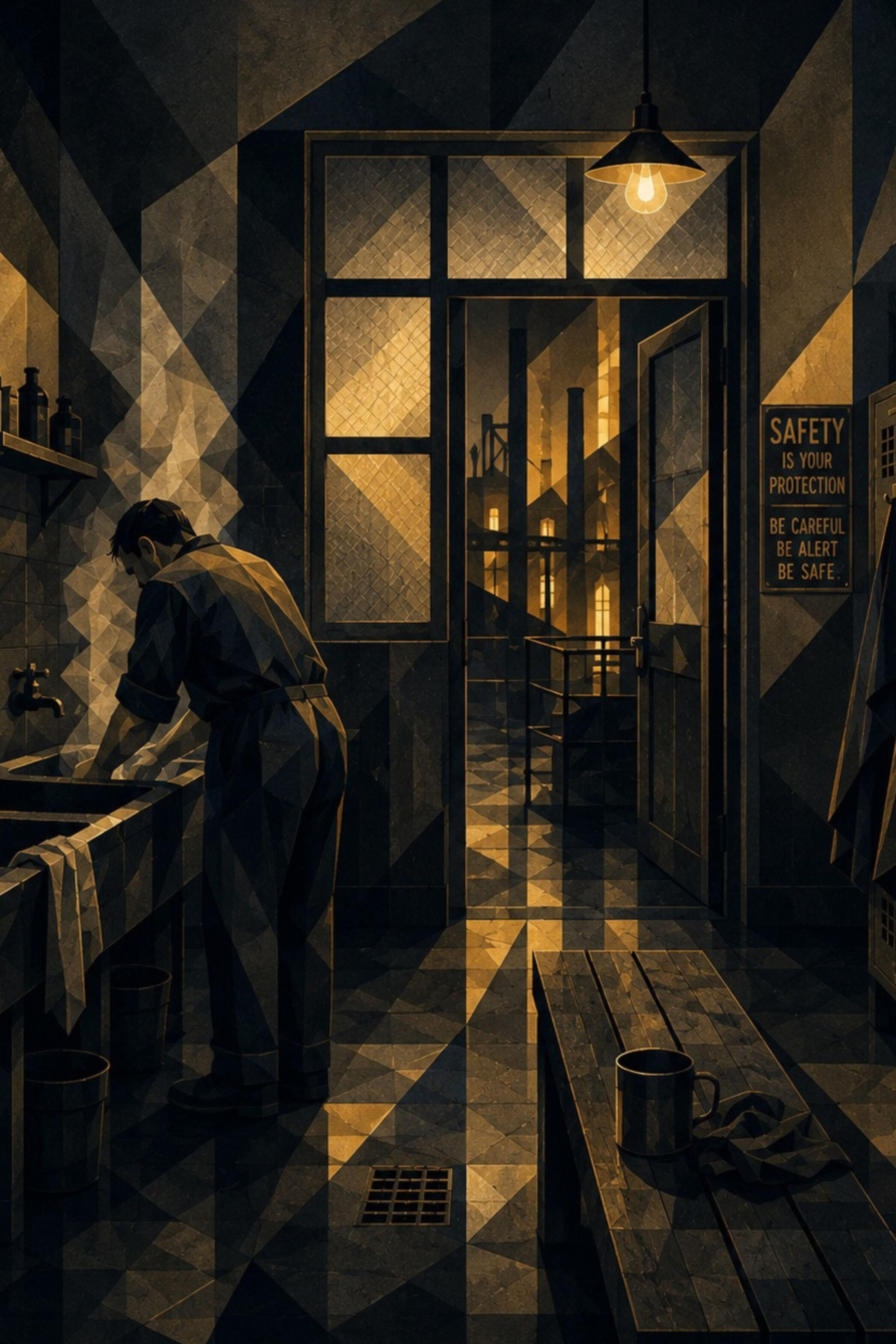
The Foundry (Northern Deco)The stark industrial interiors of The Foundry was the subject of Olive James' distinctive reimagining of the washroom, reducing its hard geometry, worn surfaces and warm industrial light to a series of bold angular forms while preserving the quiet atmosphere of the original production.James later remarked that she was less interested in the men themselves than the spaces they left behind at the end of each shift.The result is a work that captures the foundry not as a place of noise and labour, but as a moment of stillness after another working day ends.
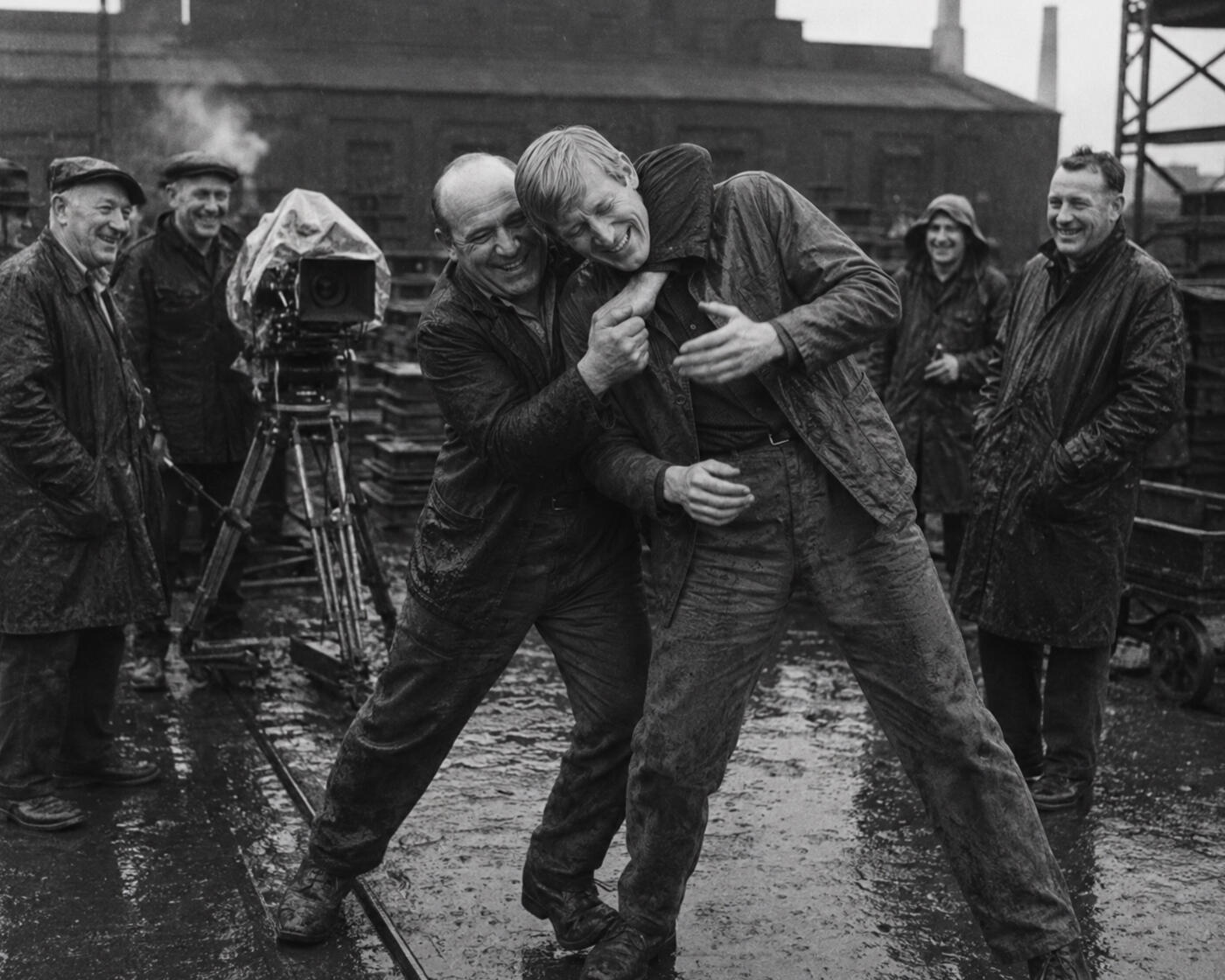
From the ArchiveRumours at the time suggested that there was often a strained relationship between the two main actors. However, a snapshot taken during a break in filming seems to show the two men enjoyed working together and each other's company.